 |
 |
 |
|
Jonathan
|
Jeff
|
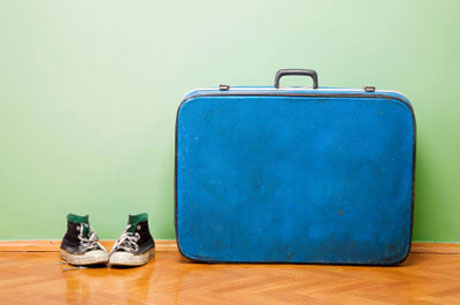
Out of a Suitcase
Johnathan talks about what it is like to live out of a suitcase all year round.
Jeff: So were you always able to live with only a few possessions?
Jonathan: Oh, certainly not. The first trip I ever did to South America I had the most massive backpack you could imagine. I mean I had to get it from a sort of military surplus store because I needed to have the kind of volume that a World War Two soldier would have had to carry things, all of his survival gear. When I travelled to Africa in my early twenties, I brought along things like, for example, a jungle hammock, you know because I was convinced that I was going to be stringing up the ropes of this, and sleeping above the ground because I was worried about some sort of dangerous animals that might come after me. When, then later, you find out the reality is, that you're always able to find some sort of accommodation even if it's very budget type and wasn't a problem.
Jeff: Do you think... would you recommend this type of lifestyle to someone else?
Jonathan: I don't know if my lifestyles very suitable for other people because they have more roots than I do. They've settled down in some way. They have a regular job that they have to go to. Myself, usually only working perhaps four months a year, I don't have the same responsibilities that other people do and I'm not married. I don't have kids. I have no need to decorate a room in any way.
Jeff: Well, tomorrow, I'm getting rid of my house, all my possessions and saying goodbye to my girlfriend and buying suitcase.
Jonathan: OK. As long as you don't try to live out of mine. There isn't enough room for you as well.
a few possessions

Were you able to live with a few possessions?
Possessions are things we have, and 'a few' means a small number. Notice the following:
- He traveled abroad with only a few possessions.
- At university, I had only a few possessions like my clothes, guitar and computer.
military surplus store

I had to get it from a sort of military surplus store.
'Surplus items' are things we don't need or extra items. Notice the following:
- You can sometimes buy cheap camping equipment at a military surplus store.
- I bought these pants at military surplus store.
survival gear

A soldier needs to carry survival gear.
'Survival gear' is special equipment you need to stay alive if you are lost outdoors. Notice the following:
- Where can I buy survival gear?
- You'll need survival gear in the desert.
stringing up

I was going to be stringing up the ropes.
When we 'string something up,' that means we hang it in the air above ground, usually with rope. Notice the following:
- String up the food so the animals can't get it.
- Can you string up the laundry for me?
roots

They have more roots than I do.
Here, we use the word 'roots' to talk about our connection to a place because we were born there or used to live there. Notice the following:
- Most immigrants keep their cultural roots.
- I was born in New York, but my roots are in California.
settled down
They've settled down in some way.
To 'settle down' means to comfortably stay in one place. Notice the following:
- His father was in the army so they never settled down for long.
- I'd love to buy a house and settle down.
Vocabulary Quiz
string up • roots • settled down


Paul and Katia debate the merits of giving money to charity.






More Listening Lessons by ELLLO



Free Worksheets
and Courses